
By Aubry Tan, RN, Cosmetic Injector and Co-Founder of CLA.
Keypoints:
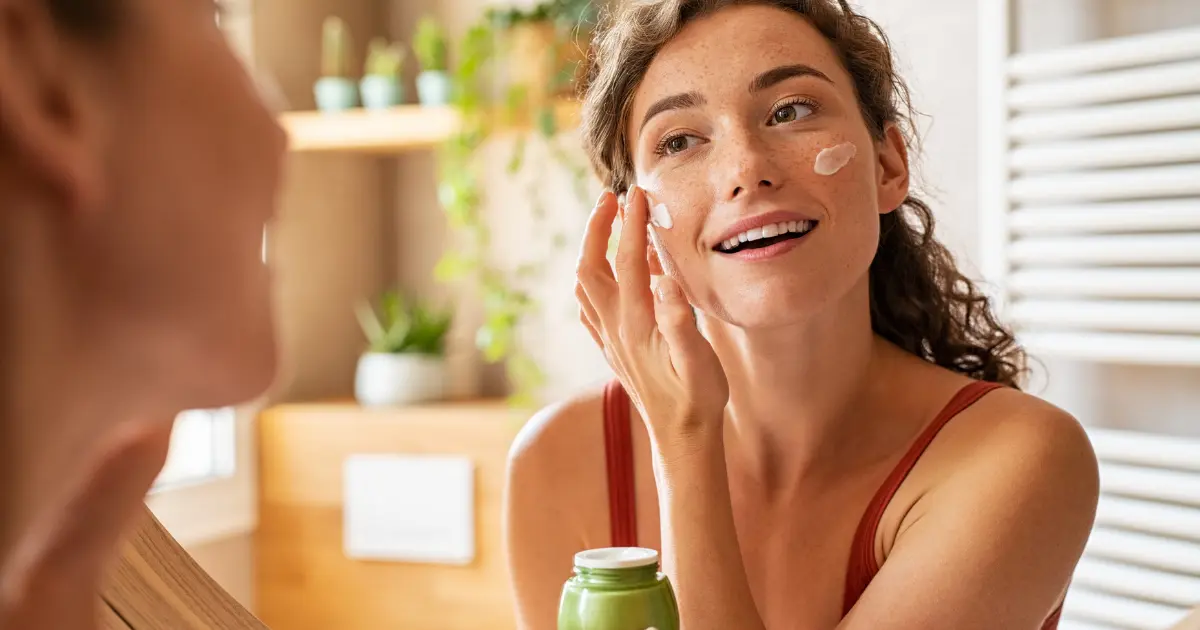
Part of our Cosmetic Treatments in Wollongong: The Complete Guide — see the guide for seasonal timing advice across all treatments.
Living along the Illawarra coast, winter doesn’t mean freezing temperatures, but it does mean real changes for your skin: coastal wind and lower humidity strip moisture faster than most people expect, and indoor heating compounds the problem. The result is skin that feels tighter, flakier and more sensitive than the mild temperatures would suggest.
Salt air, wind exposure and the humidity swings that come with a coastal climate all affect your skin barrier differently to a purely cold, dry inland winter. Wind in particular strips the skin’s natural moisture barrier quickly, even on a mild, sunny Illawarra day at the beach or out walking.
Lower UV exposure during the cooler months reduces the risk of pigmentation and sun sensitivity after treatments like microneedling, skin boosters or resurfacing facials — all of which temporarily increase sun sensitivity. If you’ve been putting off a treatment because of sun exposure concerns, winter is often the more forgiving window.
A few patterns come up often as the weather cools: switching to a heavier moisturiser but dropping SPF at the same time, assuming dryness means you need to exfoliate more (usually the opposite is true — over-exfoliating a dry, cold-weather barrier makes things worse), and only moisturising at night while skipping it in the morning before heading out into the wind. Small, consistent adjustments tend to work better than dramatic routine overhauls once the weather turns.
A good hydrating serum, a richer barrier-repair moisturiser, and a broad-spectrum SPF are the winter non-negotiables. Browse our skincare range if you’d like a recommendation suited to your specific skin type.
Yes — UV exposure continues year-round, and coastal reflection off water and light surfaces can actually increase your exposure even on overcast days.
Heavier moisturisers and less natural sweating can clog pores that stayed clearer in summer — switching to a slightly lighter, non-comedogenic option can help.
For treatments that increase sun sensitivity, yes — lower UV exposure during the cooler months reduces certain risks, making it a practical time to book them in.
Not entirely — layering in extra hydration and a richer moisturiser is usually enough, rather than replacing everything you already use.
If your skin’s been feeling off since the weather changed, a quick consultation can pinpoint exactly what it needs. Explore our facial treatments and skincare products, or get in touch to book.